

Oils are a simple, powerful way to support healthier hair. When considering natural options, beef tallow for hair and coconut oil are two favorites — each brings different nutrients and textures to the table. Below we break down what tallow offers, how coconut oil works, and how to decide which one suits your hair type and goals. Use this as a practical guide to choose the oil that fits your routine.
Dryness, frizz, and slow growth are common concerns. Both beef tallow and coconut oil can help address those issues, but they do it in different ways. We’ll cover the specific benefits of each, when to reach for one over the other, and how to blend them for best results. There’s also a note on why tallow can be especially helpful after pregnancy.
Healthy hair depends on more than products — diet, environment, and styling habits all matter, and studies reflect that complexity.
Hair Health, Growth, & Essential Nutrients
Different hair types respond to different care strategies. External stressors like sun exposure and smoking, nutritional gaps (especially essential fatty acids and vitamins), and certain shampoo or treatment ingredients can damage hair and slow growth. A review: hair health, concerns of shampoo ingredients and scalp nourishing treatments, 2015
What Key Nutrients in Beef Tallow Support Hair?
Beef tallow contains several fat-soluble vitamins and fatty acids that nourish the scalp and hair, contributing to tallow for hair growth. Vitamins A, D, E, and K plus a mix of saturated fatty acids work together to hydrate the scalp, protect strands, and support a healthy environment for growth.
How Vitamins A, D, E, and K in Tallow Help the Scalp and Hair
Each vitamin plays a role: vitamin A helps with scalp cell turnover to prevent dryness; vitamin D contributes to the hair follicle cycle; vitamin E protects against oxidative damage; and vitamin K supports overall scalp health. While vitamin K’s direct role in hair growth is still being studied, these vitamins collectively support a healthier scalp and stronger-looking hair.How Stearic and Palmitic Acid Nourish Hair
Saturated fatty acids like stearic and palmitic acid add lasting moisture and form a protective layer along the hair shaft. That barrier helps reduce frizz and shields hair from environmental wear — which makes tallow a go-to for deeper conditioning and repair.
How Coconut Oil Supports Hair Health
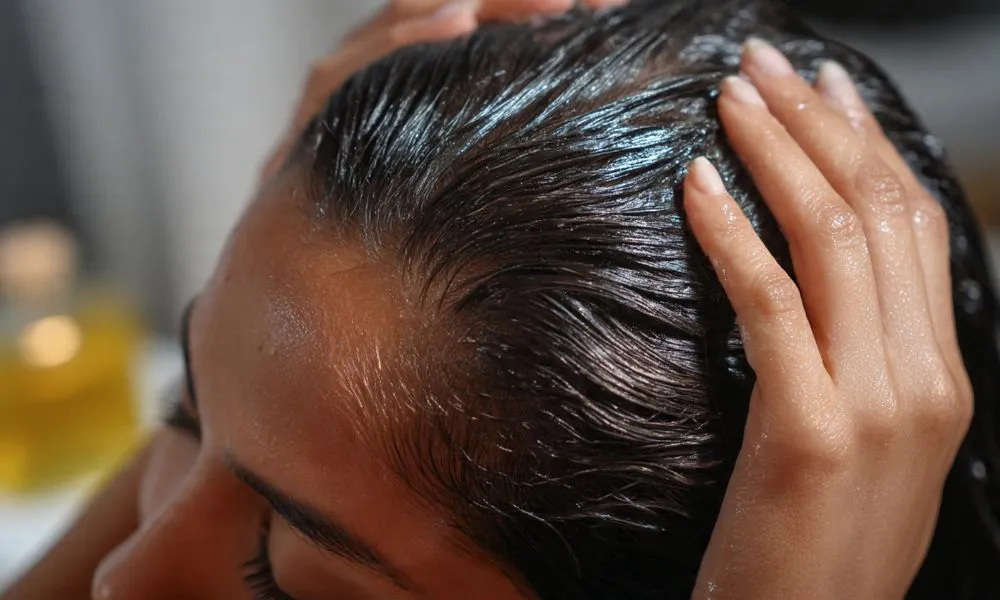
Coconut oil is prized for its lauric acid content. This medium-chain fatty acid penetrates the hair shaft well, delivering moisture and helping maintain the hair’s protein structure for stronger, smoother strands.
Research shows that certain fatty acids are better at penetrating the hair shaft, which can improve strength and softness.
Oil Penetration & Fatty Acid Benefits for Hair
Triglyceride-rich plant oils can add strength and softness by penetrating the hair. Lauric acid (C12:0), for example, reaches the inner hair layers more readily than some longer-chain oils. Penetration of oils into hair, 2024
Why Lauric Acid Helps Strengthen Hair and Tame Frizz
Lauric acid reduces protein loss and helps smooth the cuticle, which lowers breakage and fights frizz. The result is hair that feels softer and looks shinier — especially helpful for dry or frizz-prone textures.
Coconut Oil’s Antimicrobial Benefits for the Scalp
Coconut oil has mild antimicrobial effects that can help control dandruff and some scalp irritations by reducing certain bacteria and fungi. A cleaner scalp creates a better foundation for healthy hair growth when used regularly.
Tallow vs. Coconut Oil: Absorption and Best Uses
Understanding how each oil absorbs can help you pick the right one for your hair type and care goals.
Which Absorbs Better and Feels More Natural?
Tallow absorbs more slowly and gives prolonged moisture — ideal for very dry or coarse hair. Coconut oil is lighter and soaks in faster, often leaving hair feeling softer without as much greasiness. Choose based on how your hair responds to weight and texture.
How Their Nutrient Profiles Match Different Hair Types
Beef tallow suits dry, damaged, or coarse hair that needs deep replenishment. Coconut oil’s lighter, penetrative nature makes it easier to use on finer or oil-prone hair while still providing hydration and protection.
When to Choose Tallow or Coconut Oil in Your Routine
Knowing which oil works best for different hair concerns ensures your routine delivers maximum benefits.
Which Conditions Benefit Most from Tallow’s Deep Nourishment?
Pick tallow for dryness, brittleness, or postpartum thinning. Its nutrient density helps restore moisture and can soothe sensitive scalps, making it a solid choice when hair needs repair and calm.
When Coconut Oil Is the Better Natural Treatment
Choose coconut oil for frizz control, shine, and mild scalp concerns like dandruff. Its antimicrobial qualities and lighter feel make it great for regular use and for hair types that can’t take heavier oils.
Using Tallow and Honey Together: Masks & Serums
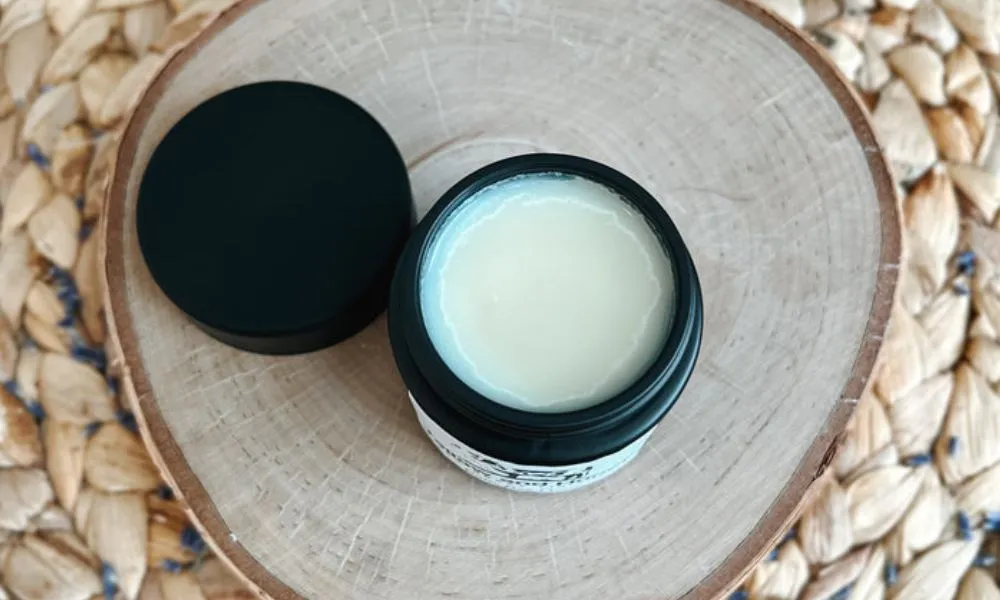
Blending tallow with honey or bee-based products creates nourishing treatments that support both scalp and hair health.
Simple DIY Tallow + Honey Hair Mask
Homemade masks are easy and effective. Try this basic blend:
- Ingredients: 2 tablespoons beef tallow, 1 tablespoon honey, a few drops of essential oil (optional).
- Instructions: Gently melt the tallow and stir in the honey until smooth. Apply to damp hair, concentrating on the ends. Leave for 30 minutes, then rinse and shampoo as usual.
This mask restores moisture and adds a natural sheen, especially on dry ends.
What Tallow and Bee-Based Products Are Recommended for Hair Growth and Care?
For those looking for a ready-made option, Tallow and Honey offers The Mane Bee, a natural hair treatment formulated to support scalp health and hair growth. Made with nutrient-rich beef tallow and bee-derived ingredients, The Mane Bee helps nourish the scalp, soothe dryness, and support a healthy environment for stronger, more resilient hair using simple, whole-food ingredients.
Bee Silky Hair Serum by Tallow and Honey
Another option from Tallow and Honey is the Bee Silky Hair Serum, a lightweight blend designed to hydrate hair, reduce frizz, and enhance shine without weighing it down. By combining beef tallow with bee-derived ingredients, this serum supports smoothness and manageability while still helping maintain scalp and hair health as part of a natural care routine.
To explore the full range of natural products offered by Tallow and Honey, click here to browse our collection and discover options made with wholesome, nutrient-rich ingredients.
Why Beef Tallow Can Be Helpful After Pregnancy

Postpartum hair changes require gentle, nutrient-rich care, and tallow can help support regrowth and scalp comfort.
How Tallow Supports Postpartum Hair and Sensitive Scalps
Postpartum hair shedding is common. The benefits of beef tallow for hair, particularly its dense nutrient profile, help nourish the scalp and may soothe inflammation, creating a calmer environment for regrowth and supporting tallow for hair growth. It’s a gentle, natural option for sensitive skin during this period.
Why Families Often Choose Tallow for Natural Hair Care
Families like tallow because it’s a simple, natural ingredient without synthetic additives. Its effectiveness and gentle profile make it a practical choice for people looking for wholesome, straightforward hair care.
| Key Nutrient | What It Does | Found In |
|---|---|---|
| Vitamins A, D, E, K | Support scalp health and help hair look stronger | Beef Tallow |
| Lauric Acid | Helps strengthen hair and reduce frizz | Coconut Oil |
| Fatty Acids | Provide deep nourishment and lasting moisture | Beef Tallow |
Both beef tallow and coconut oil have useful roles in hair care. Knowing how they differ helps you match the right oil to your hair’s needs and get better results from your routine.
Frequently Asked Questions
Can beef tallow be used on all hair types?
Tallow is especially helpful for dry, damaged, or coarse hair because of its richness. If your hair is fine or tends to get oily, start small — it can feel heavy. For sensitive scalps, tallow can provide deep nourishment, but patch testing is a good idea.
How often should I use coconut oil for hair care?
It depends on your hair. For dry or frizzy hair, 1–2 times per week works well. Fine or oily hair may benefit from lighter, occasional applications or using coconut oil as a pre-wash treatment. Adjust frequency based on how your hair feels.
Are there any side effects of using beef tallow on hair?
Tallow is safe for most people, but some may have sensitivity. Do a patch test first. Because it’s heavier, overuse can cause buildup and greasiness, so use it in moderation and tailor the amount to your hair’s needs.
Can I mix beef tallow and coconut oil for hair care?
Yes — combining them balances deep nourishment with lighter hydration. Start with small amounts of each and tweak the ratio until it suits your hair. This mix is great when you want both repair and manageability.
What is the best way to apply tallow or coconut oil to my hair?
Apply to damp hair, focusing on ends. Warm the oil slightly for better absorption and distribute evenly with your fingers or a wide-tooth comb. Leave on for 30 minutes or overnight for intensive conditioning, then wash out thoroughly.
Is it safe to use these oils on colored or chemically treated hair?
Generally yes, but proceed with care. Coconut oil can help reduce protein loss, which benefits treated hair. Tallow may be too heavy for some chemical treatments. Check with your stylist and patch test to confirm compatibility.
Conclusion
Both beef tallow and coconut oil offer valuable, natural ways to support hair health. Choose tallow when your hair needs deep repair and lasting moisture; choose coconut oil when you want lighter hydration and protection. Try them on their own or blend them to address multiple concerns. Explore our hair care collection to find practical options that match your routine.
If you’re interested in exploring more benefits of tallow beyond hair care, check out our article “Tallow Skincare: The Unexpected Best Acne Cure Treatment”. It dives into how tallow can support healthy, balanced skin and provides practical tips for incorporating it into your skincare routine.