
Acne can feel relentless, but gentle, science-informed options like tallow paired with honey offer a different path: one that repairs the skin barrier and supports natural antimicrobial action. This guide explains what tallow skincare is, how its fatty acids and fat‑soluble vitamins closely resemble human sebum, and why honey’s antibacterial and healing chemistry complements those effects to calm inflammation and speed lesion recovery.
You’ll find which acne types respond best to this approach, safe day-and-night application tips for tallow and honey balms, and which botanicals and carrier oils work well for sensitive or postpartum skin. We blend clear mechanisms, practical routines, quick-reference tables, and consumer-facing evidence so you can decide whether this restorative option suits your skincare goals. Read on for step-by-step use, comparisons to other natural remedies, and curated outcome examples to help you make an informed choice.
What Is Tallow Skincare and Why Is It Effective for Acne?
Tallow for skincare uses rendered animal fat—ideally from grass‑fed, grass‑finished, non‑GMO sources—to make balms and creams whose lipid profile closely mirrors human sebum. That biomimicry matters: sebum‑like lipids can blend with the stratum corneum, support barrier integrity, and reduce the compensatory oil production that often leads to breakouts.
The table below summarizes tallow’s main components and the skin benefits each provides, giving a compact reference to help you understand how it works.
Synthetic Sebum Model: Mimicking Human Sebum Composition with Lard and LipidsThis paper proposes a monolayer model of synthetic sebum made from lard, cholesterol, ceramides, and fatty acids to mimic human sebum composition.
A Sebum-Mimetic Lipid Monolayer and Its Interaction with (Bio) Surfactants, K Wojciechowski, 2022
Tallow composition and skin benefits:
| Component | Role in Skin | Practical Benefit |
|---|---|---|
| Oleic acid | Emollient that penetrates lipid layers | Softens skin and helps topical nutrients absorb |
| Palmitic + Stearic acids | Structural saturated fats | Reinforce the barrier and reduce transepidermal water loss |
| Linoleic/conjugated linoleic acid | Essential fatty acid | Supports cell signaling and barrier repair |
| Vitamins A, D, E, K | Fat‑soluble micronutrients | Support healing, offer antioxidant protection, and aid cellular repair |
This table shows how tallow supplies both structural lipids and micronutrients that lower inflammation and support tissue repair. Knowing these components helps explain why tallow can be a useful topical ally for acne‑prone skin, and it sets up how its sebum‑like behavior helps prevent pore congestion.
How Does Tallow Mimic Human Sebum to Prevent Breakouts?
Tallow delivers a ratio of triglycerides and free fatty acids similar to skin oils, so when applied topically it tends to integrate with existing lipids instead of forming a foreign, occlusive layer. That compatibility can reduce the skin’s “need” to overproduce sebum and interrupt the rebound oiliness that worsens comedonal acne. Biochemical analyses show oleic and palmitic acids are common to both tallow and sebum, which supports this biomimicry explanation.
For people with imbalance‑driven breakouts, gentle lipid replacement often leads to fewer clogged pores and calmer skin within weeks—paving the way for the practical routine recommendations below.
What Are the Key Fatty Acids and Vitamins in Tallow That Support Skin Health?
Tallow concentrates oleic, palmitic, and stearic acids with smaller amounts of linoleic acid and fat‑soluble vitamins A, D, E, and K—each playing a role for acne‑prone skin. Oleic acid improves lipid fluidity and penetration; palmitic and stearic acids provide structural barrier support; linoleic acid helps normalize epidermal lipids; and the vitamins modulate inflammation and aid repair.
Together these nutrients reduce TEWL (transepidermal water loss) and inflammation, helping lesions heal faster while lowering the chance of new comedones forming.
How Does Honey Enhance Tallow’s Acne-Fighting Properties?
Honey adds antibacterial, anti‑inflammatory, and humectant properties that address microbial load, redness, and wound healing—areas lipids alone don’t fully cover. Paired with tallow, honey helps reduce surface bacteria, holds moisture to speed epithelial repair, and complements barrier restoration, making it a strong contender for the best acne cure treatment when combined with tallow.
The table below outlines honey’s active features and how each one supports tallow’s actions.
Honey's Medicinal Properties: Antimicrobial and Wound-Healing ActivitiesHoney has a long history in traditional medicine; it demonstrates antimicrobial activity and supports wound healing by promoting tissue repair and regeneration.
Honey: its medicinal property and antibacterial activity, S Mandal, 2011
Honey attributes and effects:
| Honey Attribute | Mechanism | Evidence / Effect |
|---|---|---|
| Osmotic effect | Draws moisture and dehydrates microbes | Lowers bacterial survival on lesions |
| Hydrogen peroxide production | Generates low‑level antiseptic activity | Reduces common acne bacteria populations |
| Methylglyoxal (MGO, in manuka) | Non‑peroxide antibacterial compound | Provides stronger antibacterial action for infected lesions |
| Humectant action | Retains moisture in the epidermis | Promotes faster resurfacing and reduced scarring |
This comparison makes clear that honey’s multimodal antimicrobial and healing actions complement tallow’s barrier‑repair focus, and raises the practical question of how to apply combined formulations safely and effectively.
How Does Honey Promote Healing and Reduce Acne Redness?
Honey creates a moist, antimicrobial microenvironment that encourages epithelial migration and reduces oxidative stress—actions that shorten lesion healing time. By modulating inflammatory mediators and supplying antioxidants, honey often reduces post‑inflammatory erythema and can lower the risk of raised scarring when used on healing spots.
In practice, regular nightly application to resolving lesions can show visibly reduced redness in 2–4 weeks, with ongoing texture improvement over time. These healing effects explain why combining honey with tallow—lipid replenishment plus antimicrobial care—addresses both the cause and consequence of many acne presentations.
If you prefer ready‑made blends, handcrafted formulations that combine non‑comedogenic tallow and natural honey make barrier repair and antimicrobial support simple to add to your daily routine; brands like Tallow and Honey intentionally pair these properties for home use.
Which Types of Acne Can Tallow and Honey Naturally Treat?
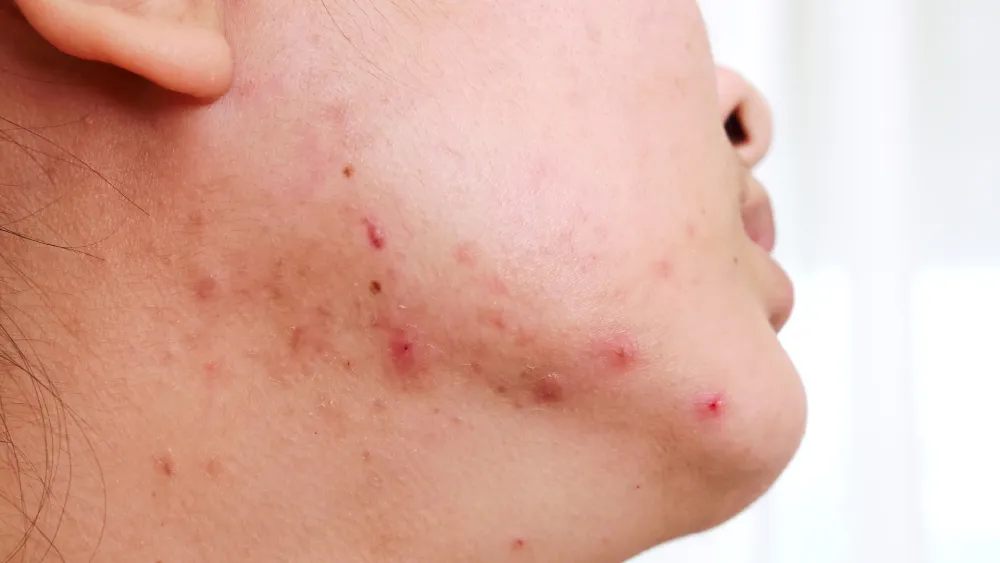
Tallow and honey tend to help acne types linked to barrier dysfunction, inflammation, and mild‑to‑moderate bacterial involvement—for example hormonal/postpartum acne, sensitive skin flare‑ups, and some inflammatory comedonal conditions. Treat these balms as supportive, barrier‑first tools rather than instant substitutes for systemic therapy: they reduce inflammation, speed healing, and can lower recurrence when used consistently.
The table below maps common acne subtypes to expected benefits and suggested actions so you can decide whether to try tallow‑and‑honey approaches.
| Acne Type | How Tallow Helps | How Honey Helps |
|---|---|---|
| Hormonal / Postpartum | Mimics sebum to prevent rebound oiliness | Reduces inflammation and speeds lesion recovery |
| Cystic / Nodular | Supports the barrier and soothes surrounding tissue | Lowers surface bacterial load; supportive, not a primary treatment |
| Sensitive / Irritation-driven | Supplies repair lipids and reduces TEWL | Calms redness and promotes gentle healing |
How Does Tallow Skincare Help with Hormonal and Postpartum Acne?
Hormonal and postpartum acne often reflect temporary increases in sebum and a compromised barrier; tallow’s sebum‑like lipids can help normalize surface oil balance and reduce the compensatory oil production that fuels breakouts. By rebuilding the lipid matrix and supplying vitamins that assist repair, tallow can lessen irritation and the visibility of new lesions—usually showing gradual improvement over a 4–8 week consistent use period.
Nursing mothers should choose gentle, ingredient‑transparent balms that avoid strong essential oils; topical tallow products focused on barrier support are typically used as adjunctive skincare while monitoring any wider care needs.
Can Tallow and Honey Soothe Sensitive and Cystic Acne-Prone Skin?
Tallow and honey can soothe sensitive, inflamed skin through barrier repair and anti‑inflammatory/antimicrobial effects, but they don’t replace clinical care for severe cystic acne. For sensitive skin, the combo often reduces redness and strengthens resilience, minimizing irritation from other actives.
For painful cystic lesions, honey may reduce surface bacterial burden and tallow can comfort surrounding tissue, but deeper nodules frequently require systemic treatment and dermatologic assessment. Watch for red flags—rapidly worsening nodules, fever, or enlarging lesions—and seek medical care if these occur, while using balm support for comfort and barrier preservation.
How Do You Use Tallow and Honey Balms for the Best Acne Results?
Good results depend on a consistent routine, correct layering with other actives, and using an appropriate amount to avoid over‑occlusion. Start small: a pea‑sized dab for targeted spots or a very thin layer for full‑face maintenance. Introduce balms while keeping the rest of your routine steady so you can monitor tolerance.
Below is a simple, step‑by‑step routine for acne‑prone skin that combines gentle cleansing, targeted treatments, and tallow‑and‑honey balm application for day and night. Daily routine steps:
- Cleanse gently: Use a mild, non‑stripping cleanser to remove surface oil and impurities.
- Treat: Apply water‑based treatments (prescription or OTC) and let them fully absorb.
- Seal with balm: Dab a pea‑sized amount of tallow‑and‑honey balm onto breakout areas, or apply a thin layer to the whole face at night.
- Protect daytime: In the morning, follow with a broad‑spectrum sunscreen suitable for acne‑prone skin.
This sequence clarifies when to layer tallow‑based balms and how to combine them with other products; the next section covers troubleshooting and product selection.
What Is the Recommended Skincare Routine Using Tallow Balm for Breakouts?
For breakouts, begin with twice‑daily gentle cleansing and add the balm at night as your restorative step, using a light touch at first to test tolerance. If you use water‑based evening actives, apply them first and wait until they absorb before sealing with a thin balm layer—this preserves active delivery while supporting barrier repair.
In the morning, use spot application or a lighter layer followed by a mattifying sunscreen or powder if needed. Signs of progress include reduced redness, fewer new comedones, and smoother texture over 4–8 weeks; persistent irritation means scale back or consult a clinician.
Which Tallow and Honey Products Are Best for Acne-Prone and Sensitive Skin?
Choose formulations that emphasize grass‑fed sourcing, minimal added fragrance, and clear ingredient transparency to lower irritation risk. Lighter whipped balms suit normal‑to‑oily acne‑prone skin, while richer restorative creams work well for very dry or postpartum skin that needs extra lipids. Tallow and Honey offers handcrafted blends designed to mimic skin composition and pair tallow with honey for barrier and antimicrobial support—options worth considering if you prefer natural, small‑batch products. Start with a small jar to test tolerance before committing to regular use.
For a practical trial, purchase a single small jar to assess compatibility; this minimizes waste and helps you find the right frequency and amount for your skin.
What Other Natural Ingredients Complement Tallow and Honey for Acne Care?
Several botanicals and carrier oils pair well with tallow and honey to address oil balance, microbial control, and barrier repair—most notably jojoba, manuka, and calendula. These ingredients broaden the toolkit for acne‑prone skin: jojoba’s sebum‑like profile helps regulate oil, manuka adds higher MGO antibacterial potency for infected lesions, and calendula soothes inflammation and supports repair. The short list below summarizes each ingredient and its practical role.
Complementary ingredient profiles:
- Jojoba: Sebum‑mimicking, non‑comedogenic, helps normalize oil production and maintain balance.
- Manuka: Richer in methylglyoxal (MGO), offering stronger antibacterial activity for surface‑infected lesions.
- Calendula: Anti‑inflammatory and regenerative; supports faster wound repair and reduces redness.
These pairings amplify tallow and honey’s core mechanisms and lead into why barrier support is foundational in any holistic acne strategy.
How Do Jojoba, Manuka, and Calendula Oils Support Acne-Prone Skin?
Jojoba’s similarity to human sebum helps signal the skin to reduce excess oil, manuka targets surface pathogens with potent antibacterial activity, and calendula soothes inflammation to speed healing. Used in small percentages within a balm base, these ingredients enhance tallow and honey without overwhelming sensitive skin, creating a layered approach that addresses oil balance, microbial load, and repair.
Choose blends with clear concentrations and avoid heavy fragrances to minimize irritation.
Why Is Supporting the Skin Barrier Important in Holistic Acne Treatment?
The skin barrier controls hydration, microbial defenses, and inflammatory signaling; when it’s compromised, pores are more likely to clog, be colonized, and stay irritated—fueling acne cycles. Tallow supplies structural lipids while honey brings humectant and antimicrobial support; together they restore barrier function and interrupt inflammatory feedback loops. Daily habits—gentle cleansing, avoiding harsh surfactants, regular barrier‑supportive moisturization, and proper sun protection—are essential complements to topical balms for sustained improvement. Strengthening the barrier reduces flare frequency and improves outcomes from both natural and conventional acne treatments.
When you’re ready to explore product options and real‑world case collections, Tallow and Honey offers handcrafted tallow‑and‑honey balms formulated to mimic skin composition and gently support acne‑prone, sensitive, and postpartum skin. Start with a single small jar to assess tolerance, follow the routines above, and track changes over 4–8 weeks to judge effectiveness for your skin.
What Is the Recommended Acne‑Treatment Product From Tallow and Honey?
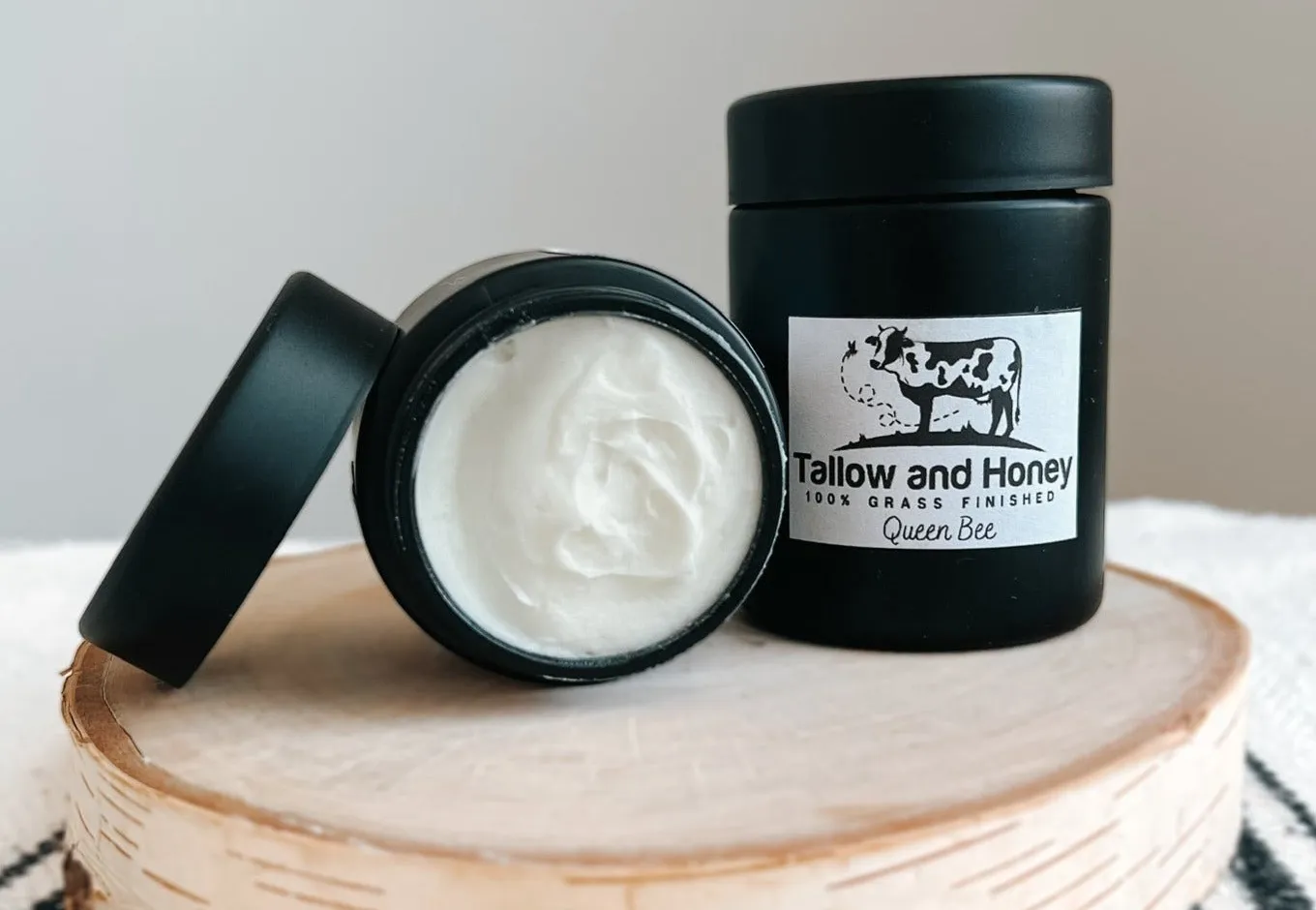
If you are seeking a natural balm from Tallow and Honey that many users find helpful for acne‑prone or scar‑prone skin, one of the top recommendations for the best acne cure treatment is Queen Bee (Restorative). This restorative balm is formulated to deeply moisturize, help with scars, cystic acne, and other skin issues — making it a solid candidate if your skin needs more than basic hydration.
Frequently Asked Questions
1. Is tallow skincare suitable for all skin types?
Tallow skincare is commonly well‑tolerated by many skin types, especially dry, sensitive, or barrier‑compromised skin. People with very oily or highly acne‑prone skin should proceed cautiously because the richness of tallow can feel heavy for some. Start with a small amount to test how your skin reacts, and consult a dermatologist if you have concerns.
2. How often should I use tallow and honey balms for acne treatment?
Consistent use is key—many people see benefits using tallow and honey balms once or twice daily. Begin with a thin layer at night so the skin can restore while you sleep; in the morning use a lighter layer or spot‑treat as needed. Expect to give products 4–8 weeks to show meaningful improvements in texture and breakouts.
3. Can I use tallow and honey products alongside other acne treatments?
Yes. Tallow and honey can be part of a broader routine that includes other acne actives. Layer water‑based treatments first and let them absorb before sealing with a tallow‑and‑honey balm—this preserves active efficacy while providing barrier support.
4. Are there any side effects associated with using tallow for acne?
Most people tolerate tallow well, but some may experience irritation or breakouts—particularly those with very oily skin or sensitivities to animal fats. Introduce the product gradually and monitor your skin. If irritation increases or acne worsens, stop use and consult a dermatologist.
Conclusion
Tallow for skincare, combined with honey, offers a natural, practical approach to restoring the skin barrier and reducing inflammation for many people with acne‑prone skin. Together they mimic the skin’s oils, deliver supporting nutrients, and encourage healing—making them useful additions to a thoughtful routine and a promising candidate for the best acne cure treatment for those seeking natural solutions. If you’re curious, start with a small, transparent formula, use it consistently, and track changes over 4–8 weeks. Explore our handcrafted products to begin a gentle, barrier‑first path toward clearer, healthier skin.
Tallow is also praised for hair care, as it nourishes the scalp and promotes healthy, strong hair. Read the full article here.