

Many people compare natural remedies like beef tallow with conventional scalp treatments to find the most effective solution for scalp health. Beef tallow, a nutrient-rich fat derived from cattle, offers unique benefits that may help nourish, protect, and heal the scalp. This article delves deeply into beef tallow’s composition, healing properties, and its effectiveness compared to traditional scalp treatments. You’ll gain insight into how beef tallow supports scalp repair, its suitability for sensitive skin and scalp conditions, and how it fits into a holistic scalp care routine.
What Are the Key Benefits of Beef Tallow for Scalp and Skin Healing?
Beef tallow is rich in essential fatty acids and fat-soluble vitamins that deeply hydrate the scalp and promote skin barrier repair. Its moisturizing properties help alleviate dryness, flaking, and irritation, making it especially beneficial for sensitive or compromised scalps. Because its lipid profile closely resembles that of human skin, beef tallow absorbs efficiently, delivering nutrients directly where they are needed to support healing and maintain scalp health.
For those interested in incorporating beef tallow into their scalp care, Tallow and Honey offers a curated selection of products formulated to enhance scalp and skin wellness.
How Do Fatty Acids and Vitamins in Beef Tallow Promote Scalp Healing?
The fatty acids in beef tallow, including oleic and palmitic acids, play a crucial role in locking in moisture and restoring the scalp’s lipid barrier. This barrier is essential for protecting the scalp from environmental stressors and preventing moisture loss, which can lead to dryness and irritation.
Additionally, vitamins A, D, and E found in beef tallow nourish the scalp at a cellular level. Vitamin A supports healthy cell turnover, which is vital for repairing damaged skin, while vitamin E acts as an antioxidant, protecting the scalp from oxidative damage. Together, these nutrients foster a resilient, balanced scalp environment conducive to healthy hair growth.
Why Is Beef Tallow Suitable for Sensitive Skin and Conditions Like Eczema?
Beef tallow’s natural composition closely mimics the oils produced by human skin, making it highly compatible with sensitive skin types and conditions such as eczema. Unlike many synthetic scalp treatments that can exacerbate irritation, beef tallow’s gentle, whole-food fat soothes inflamed skin and helps restore the skin’s protective barrier. This restorative effect can reduce the frequency and severity of eczema flare-ups, providing a calming, nourishing alternative for those prone to scalp sensitivity. According to the American Academy of Dermatology, maintaining and restoring the skin barrier is essential in managing eczema symptoms, making natural, barrier-supporting ingredients like beef tallow an effective option.
How Do Traditional Scalp Treatment Methods Compare to Natural Remedies?
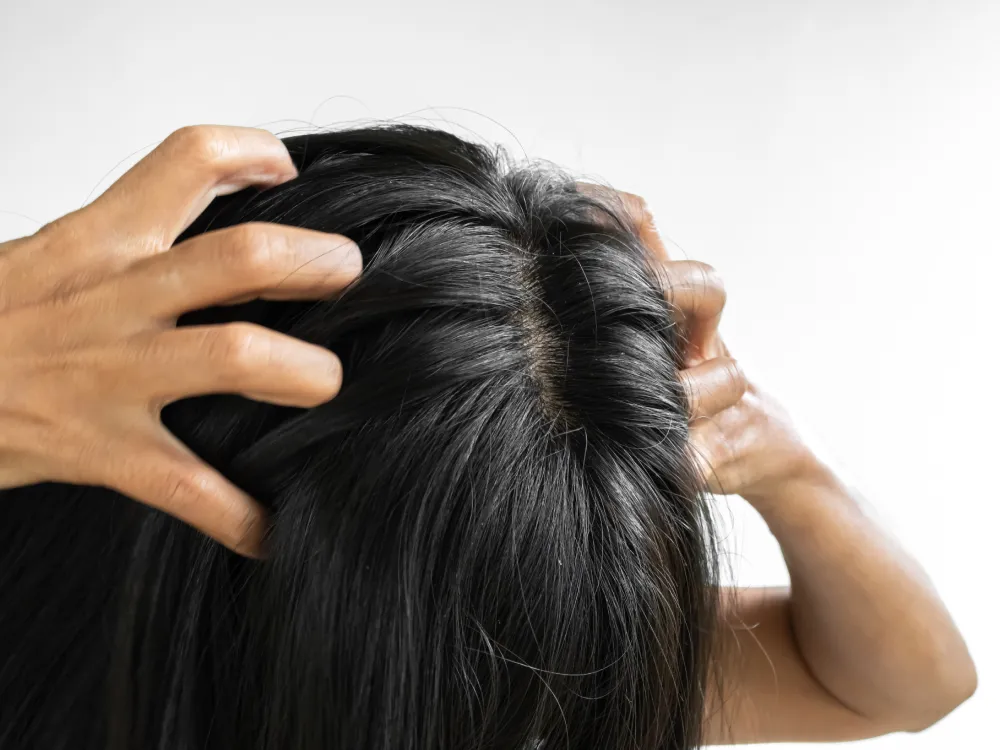
Traditional scalp treatments often rely on synthetic chemicals, preservatives, and fragrances that may offer quick relief but can irritate the scalp over time. Ingredients like sulfates and artificial fragrances can strip natural oils, disrupt the skin barrier, and cause dryness or redness.
In contrast, natural remedies such as beef tallow focus on nourishing and repairing the scalp gently. They minimize the risk of adverse reactions and support long-term scalp health by addressing underlying issues rather than just symptoms.
What Ingredients Are Common in Scalp Treatments and Their Effects?
Common ingredients found in traditional scalp treatments include:
- Coconut Oil: Known for its moisturizing properties, it hydrates the scalp and helps reduce dryness but may not suit all scalp types.
- Honey: A natural humectant that attracts moisture and soothes irritated skin, often used in combination with other ingredients.
- Sulfates: Frequently present in shampoos, sulfates can strip the scalp of natural oils, potentially leading to dryness and irritation.
While these ingredients can be beneficial, they are not universally suitable, especially for individuals with sensitive scalps or scalp conditions.
Can Traditional Treatments Cause Scalp Irritation Compared to Beef Tallow?
Yes. Many commercial scalp products contain synthetic fragrances, preservatives, and sulfates that may disrupt the scalp’s natural barrier, increasing sensitivity, redness, and discomfort. These ingredients can exacerbate existing scalp issues or create new ones over time.
Beef tallow, being a natural and minimally processed ingredient, is less likely to cause irritation. Its compatibility with the skin’s natural oils makes it a gentler, safer option for those prone to sensitivities or scalp conditions.
Which Scalp Healing Remedies Are Most Effective for Sensitive Skin and Scalp Conditions?
For sensitive scalps and scalp conditions, the following remedies are often recommended for their nourishing and healing properties:
- Beef Tallow: Provides deep hydration and supports the repair of the skin barrier, promoting long-term scalp health.
- Aloe Vera: Known for its soothing and anti-inflammatory effects, aloe vera calms irritated skin and reduces redness.
- Tea Tree Oil: A natural antiseptic that helps combat scalp infections and maintain a healthy scalp environment.
These treatments emphasize gentle care and sustained repair rather than temporary symptom relief.
How Does Beef Tallow Support Skin Barrier Repair and Reduce Inflammation?
Beef tallow’s unique blend of fatty acids and vitamins helps rebuild the scalp’s lipid barrier, which is essential for retaining moisture and protecting against irritants. This barrier repair reduces dryness and flaking, common issues in scalp conditions like eczema and psoriasis.
Moreover, beef tallow exhibits anti-inflammatory properties that can soothe redness and irritation, supporting healthier scalp skin over time and reducing discomfort associated with inflammatory scalp disorders.
What Are the Advantages of Low-Toxin, Holistic Scalp Care Solutions?
Low-toxin, holistic scalp care solutions offer several advantages over conventional treatments. Because they rely on natural ingredients, they reduce the risk of irritation and are less likely to cause adverse reactions, making them especially beneficial for sensitive scalps. These products also tend to prioritize sustainability, emphasizing environmentally responsible sourcing and production methods.
Rather than providing temporary fixes, holistic scalp care focuses on long-term health by nourishing the scalp with nutrient-rich ingredients that support overall balance and wellness. Choosing low-toxin scalp care reflects a growing preference for safer, more sustainable personal care practices that benefit both individuals and the environment.
How Have New Mothers and Sensitive Skin Users Benefited from Beef Tallow Products?

New mothers and individuals with sensitive skin often find beef tallow particularly beneficial for soothing postpartum scalp dryness, flaking, and irritation. After pregnancy, hormonal changes can lead to increased scalp sensitivity, dryness, or even temporary hair shedding. Beef tallow, being rich in skin-compatible fatty acids and fat-soluble vitamins, closely mimics the skin’s natural oils, allowing it to deeply moisturize without clogging pores or disrupting the scalp’s balance.
Its simple, natural formulation makes it a preferred alternative to harsher chemical treatments that may trigger redness, itching, or inflammation. Because high-quality beef tallow products typically contain minimal ingredients, they reduce the likelihood of allergic reactions and are gentle enough for delicate, reactive skin. Many users also report improved softness, reduced tightness, and a calmer scalp overall with consistent use.
For both new mothers navigating postpartum changes and individuals prone to sensitivity, beef tallow offers a nourishing, low-toxin option that supports scalp comfort and long-term skin health.
How Should You Use Beef Tallow Safely for Optimal Scalp Healing?
To maximize the benefits of beef tallow for scalp healing, follow these safe usage guidelines:
- Warm Slightly Before Use: Gently warming the tallow improves its spreadability and absorption into the scalp.
- Massage into Scalp: Apply a small amount directly to the scalp and massage gently to stimulate circulation and enhance penetration.
- Overnight Treatment: For intensive hydration, leave the tallow on overnight and wash it out in the morning.
These steps help ensure effective delivery of nutrients and promote scalp healing.
What Are the Recommended Application Methods and Frequency?
For optimal scalp health, beef tallow can be incorporated into your routine two to three times per week to help maintain hydration and support the skin’s natural barrier repair process. It’s best applied to a clean scalp, gently massaging a small amount into dry or irritated areas for more targeted nourishment. With consistent use, beef tallow can help prevent dryness, reduce irritation, and promote a balanced, healthy scalp environment over time.
Are There Any Side Effects or Precautions When Using Beef Tallow?
Beef tallow is generally safe for most users, but a few precautions are worth considering. Although uncommon, some individuals, particularly those with allergies to animal fats, may experience mild irritation. Performing a patch test before full application is recommended to check for any adverse reactions. It’s also best to use beef tallow in moderation, as applying too much or using it too frequently can lead to buildup on the scalp, potentially causing clogged pores or a greasy feel. Adhering to these precautions helps ensure a safe and beneficial experience with beef tallow.
To explore the specific ingredients used in Tallow and Honey products and understand what makes beef tallow effective, visit their detailed ingredient page.
Many users share their success stories; view these before and after transformations to see real results.
Frequently Asked Questions
Can beef tallow be used on all hair types?
Yes. Beef tallow is suitable for all hair types, though individual results may vary. It provides deep hydration for dry or damaged hair. For oily scalps, use smaller amounts to prevent excess greasiness. Start with a small quantity and adjust based on your scalp and hair response.
How does beef tallow compare to coconut oil for scalp health?
Both beef tallow and coconut oil hydrate the scalp, but they differ in composition and absorption. Beef tallow closely resembles human skin fat and may absorb more effectively, delivering a richer array of fatty acids and vitamins that support barrier repair. Coconut oil hydrates well but may not penetrate as deeply for some individuals. Choose based on your scalp’s specific needs and personal preference.
Is beef tallow safe for children and infants?
Generally, yes. Beef tallow is gentle and simple, making it suitable for children with sensitive skin or eczema. However, always consult a pediatrician before using any new product on infants, especially those under six months old.
What is the shelf life of beef tallow products?
Shelf life varies depending on storage conditions and added ingredients. Pure beef tallow can last up to a year when stored in a cool, dark place. Blended products with other natural ingredients may have a shorter shelf life. Always check for off smells or discoloration before use.
Can beef tallow help with dandruff issues?
Yes. Beef tallow’s moisturizing and anti-inflammatory properties can address dryness and irritation that contribute to dandruff. By nourishing the scalp and restoring the skin barrier, regular use can reduce flakiness and improve overall scalp health over time.
Are there any specific dietary considerations when using beef tallow?
Beef tallow is an animal-derived product and is not suitable for vegetarian or vegan diets. If you have dietary restrictions related to fat intake, consult a healthcare provider. For those who include animal fats in their diet, beef tallow provides beneficial vitamins and fatty acids that can complement a nutritious regimen.
How can I incorporate beef tallow into my daily skincare routine?
Begin by using beef tallow as a moisturizer after cleansing your scalp or skin. Apply a small amount to dry or irritated areas, or blend it with other natural oils for enhanced benefits. Using it at night allows for deeper absorption. Regular application helps maintain hydration and can improve skin texture and scalp health over time.
Conclusion
Beef tallow is a natural, nutrient-dense option for scalp treatment that effectively hydrates and repairs the skin barrier. Its gentle, skin-compatible profile makes it ideal for sensitive scalps and reduces the risk of irritation often associated with conventional treatments. By choosing beef tallow, you support a holistic, long-term approach to scalp care that prioritizes nourishment and healing. Explore our premium beef tallow products today to experience these benefits firsthand and promote a healthier scalp.
If you are ready to try beef tallow, browse the full range of beef tallow products available for scalp and skin care. For those interested in Tallow for Natural Nail Care exploring more ways to use tallow in personal care, check out our guide on and Strong Nails.