

Tallow sunscreen is emerging as a natural, skin-friendly alternative to conventional sunscreens. This article explains tallow’s benefits, how it protects the skin, and why it can be a better fit for sensitive skin. With growing concern about harsh chemicals in skincare, tallow presents a low‑toxin, holistic option. You’ll read about its natural advantages, how it compares with chemical sunscreens, and practical tips for safe use.
Many people choose natural formulations because they want straightforward ingredient lists and a product that doubles as daily skincare rather than only a protective treatment. Tallow sunscreen is often positioned as both a topical barrier and a nourishing balm, so readers interested in gentle sun care will find practical guidance here on application, formulation, and how it integrates with broader sun safety practices.
What are the Natural Benefits of Tallow Sunscreen
Tallow sunscreen delivers nutrient-rich support for skin health. It contains essential fatty acids and vitamins A, D, E, and K that hydrate the skin, strengthen the skin barrier, and provide anti‑inflammatory support.
The fatty acid profile in rendered tallow helps replenish lipids in the outermost layer of the skin, improving flexibility and reducing transepidermal water loss. Vitamins commonly present in tallow contribute to repair and maintenance: vitamin A supports cell turnover, vitamin D is associated with overall skin resilience, vitamin E provides antioxidant properties that help protect lipids from oxidative stress, and vitamin K can assist in recovery of delicate capillaries. Together these micronutrients help maintain a balanced surface that is less prone to dryness and irritation when used as part of a regular routine.
| Ingredient | Benefit | Mechanism |
|---|---|---|
| Tallow | Hydration | Provides essential fatty acids that lock in moisture |
| Vitamins A, D, E, K | Skin health | Promote cell regeneration and protect against UV damage |
| Beeswax | Barrier support | Forms a protective layer that prevents moisture loss |
Together these ingredients both protect skin from sun damage and nourish it, making tallow sunscreen a holistic skincare choice. For high‑quality options, Tallow and Honey offers handcrafted tallow sunscreen products that prioritize toxin‑free ingredients and holistic wellness.
When assessing formulations, look for products that emphasise clean sourcing and gentle processing. Handcrafted tallow sunscreens often combine rendered tallow with beeswax and small amounts of plant-derived oils to tune texture and spreadability while maintaining a short, recognisable ingredient list. That simplicity benefits people who prefer fewer additives and clearer labelling.
Effectiveness for Safe Sun Protection
Tallow’s emollient nature helps create a skin‑compatible barrier that can reflect UV rays and reduce irritation. Its lipids mirror the skin’s own oils, which supports healing and lowers sensitivity compared with some conventional formulas.
The level of protection from any physical or balm-style product depends on the formulation and how it is applied. A sufficiently thick, evenly applied layer offers better coverage and reduces direct exposure to UV; because tallow sits compatibly on the skin it can form a continuous film that reduces penetration of radiation. Users who employ tallow sunscreen as part of a broader sun‑safety plan, including clothing and shade, benefit from both barrier protection and ongoing skin care.
Many users note reduced post-exposure tightness and flaking after switching to nourishing, lipid-rich sunscreens. That soothing effect can be particularly useful for people whose skin becomes dehydrated or reactive after extended sun exposure.
Comparisons to Conventional Sunscreen Ingredients
Compared with many conventional sunscreens, which use synthetic filters that can irritate, tallow sunscreen relies on natural ingredients and avoids those additives. This results in a more moisturising, holistic approach to sun protection.
Chemical filters are designed to absorb UV radiation and dissipate it as heat; while effective for blocking UV, some of these molecules have been associated with irritation or environmental concern for a subset of users and ecosystems. Mineral and physical approaches such as zinc oxide or a dense lipid barrier offer an alternative route by reflecting or scattering radiation at the skin surface rather than converting it internally. For people with easily irritated skin, avoiding certain actives can reduce the likelihood of stinging or redness.
By preserving skin hydration, tallow helps prevent the dryness that chemical sunscreens can cause. That combined protection and care supports overall skin health while shielding against UV damage. For areas that require stronger SPF assurance, some users layer physical mineral sunscreens or wear sun-protective clothing in combination with tallow products for added security.
What Is Tallow Sunscreen and How Does It Protect Your Skin Naturally?
Tallow sunscreen is made from rendered animal fat, typically beef tallow, and is rich in skin‑beneficial nutrients. It protects by forming a protective layer that helps reflect UV rays while delivering essential fatty acids and vitamins to the skin.
Rendering converts raw fat into a stable, purified form by gently melting and straining solids and impurities. The resulting tallow has a consistency and lipid profile that blends well with waxes and oils, producing a balm that adheres to the skin and resists quick evaporation. This structural compatibility is why tallow is favoured in formulations intended to combine care and protection.
Because tallow mimics the skin’s natural oils, it absorbs well and sits compatibly on the skin. That leads to better hydration and a lower likelihood of irritation, so it’s a good option for sensitive or reactive skin.
What Are the Key Differences Between Chemical and Natural Sunscreens?
The main differences are ingredients and mechanism. Chemical sunscreens often use filters like oxybenzone and avobenzone that absorb UV and convert it to heat. Those compounds can cause irritation, and some studies have raised concerns about potential hormonal effects.
Further research highlights potential risks associated with common chemical sunscreen ingredients.
Sunscreen Chemical Concerns & Safe Alternatives
Currently, according to the US Food and Drug Administration, the only ultraviolet filters generally recognized as safe and effective are inorganic zinc oxide (ZnO) and titanium dioxide (TiO2). In vivo human systemic absorption studies found that common organic filters achieve plasma concentrations sufficient to warrant carcinogenicity and reproductive studies. In laboratory tests, corals exposed to oxybenzone showed concentration‑dependent toxicity and bleaching. In response, some jurisdictions, including Hawaii, have passed laws banning sales of oxybenzone‑containing sunscreens.
Sunscreen safety: a review of recent studies on humans and the environment, BL Adler, 2020
Natural sunscreens like tallow rely on a physical, barrier‑based method to block UV. That approach tends to lower the risk of irritation and adds nourishment through nutrient‑rich ingredients. Ultimately, choosing between chemical and natural sunscreens comes down to personal preference and your skin’s sensitivity.
When comparing options, consider your activity and exposure level. For intense, prolonged sun exposure (such as spending many hours on the water or at high altitude), combining tallow-based care with other sun-protective measures is prudent. For everyday use, commuting, walking, short outdoor errands, tallow sunscreen used correctly can provide comforting coverage while supporting skin health.
Why Is Tallow Sunscreen Especially Beneficial for Sensitive Skin?
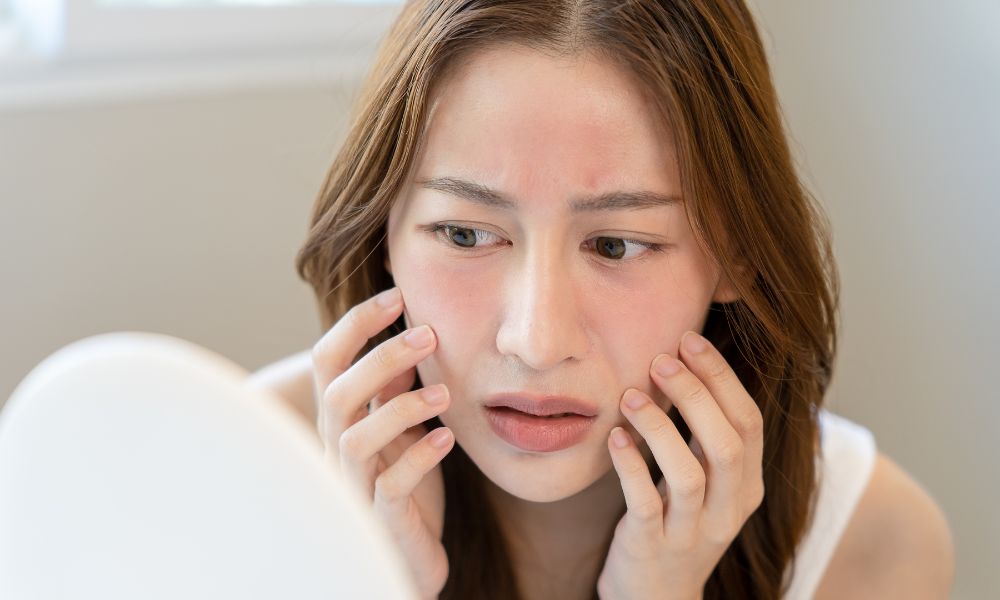
Tallow sunscreen suits sensitive skin because its gentle, nourishing profile soothes irritation and provides lasting hydration without many of the synthetic allergens found in chemical formulas.
Because tallow closely resembles the lipids in human skin, it can restore a disrupted barrier more gently than some alcohol-heavy or highly fragranced products. People who experience redness, flaking, or tightness after conventional sunscreens often report improved comfort when they switch to a minimalist tallow formulation. That said, as with any topical product, individuals with a history of allergic reaction should patch-test new formulas before broad use.
Tallow’s anti‑inflammatory components support repair and reduce redness, so people prone to irritation can get sun protection without compromising skin health.
How Can You Safely Use and Apply Tallow Sunscreen for Best Results?
To get the best results with tallow sunscreen, follow these simple application steps:
- Apply Generously : Use a sufficient amount of tallow sunscreen to cover all exposed skin areas.
- Reapply Regularly : Reapply every two hours, especially after swimming or sweating, to maintain effective protection.
- Incorporate into Daily Routine : Use tallow sunscreen as part of your daily skincare regimen, even on cloudy days, to ensure consistent protection.
For those exploring quality tallow sunscreen options, Tallow and Honey offers a range of handcrafted products designed to support holistic wellness.
Additional practical tips: warm a small amount between your fingers before application to improve spreadability and achieve an even layer; pay attention to commonly missed spots such as ears, the back of the neck, and the tops of the feet; avoid placing heavy amounts too close to the eyes to reduce stinging. If you are combining tallow sunscreen with a mineral SPF product, allow the tallow to absorb for a few minutes before layering other products to maintain even coverage.
When using tallow on children or particularly reactive skin, apply a small amount in a discreet patch area to check for any sensitivity. Store tallow-based products in a cool place out of direct sunlight to preserve texture and scent. If you plan to be outdoors for extended periods, complement topical protection with sun-protective clothing, wide-brim hats, and shade.
What Are the Natural Ingredients in Tallow Sunscreen and Their Skin Benefits?
Tallow sunscreen combines several natural ingredients that add protective and restorative benefits. Key components include beeswax, essential oils, and vitamins A, D, E and K.
- Beeswax : Provides a protective barrier that locks in moisture and enhances the sunscreen's water resistance.
- Essential Oils : Offer additional skin benefits, such as soothing irritation and providing a pleasant scent.
- Vitamins : Essential vitamins A, D, E, and K support skin health and protect against environmental damage.
These ingredients work together to shield skin from UV exposure while nourishing and revitalizing texture and tone.
How Does Tallow Sunscreen Support a Holistic and Low-Toxin Skincare Lifestyle?
Tallow sunscreen fits a low‑toxin lifestyle by favouring natural ingredients over many synthetic filters. That choice helps reduce exposure to certain chemicals commonly found in conventional sunscreens. In addition, tallow’s nourishing profile supports skin health as part of a broader, holistic routine. Choosing tallow can be a practical step toward simpler, cleaner skincare.
A low‑toxin approach often emphasises fewer, more recognisable ingredients and an emphasis on multi-functional products that reduce the number of applications on skin. Tallow balms can act as moisturiser, protective barrier, and mild after-sun care depending on formulation, which aligns with a minimalist regimen. Many users appreciate the reduced packaging and ingredient transparency that small-batch, handcrafted brands provide.
Which Tallow & Honey Product Works Best as a Natural Sunscreen?
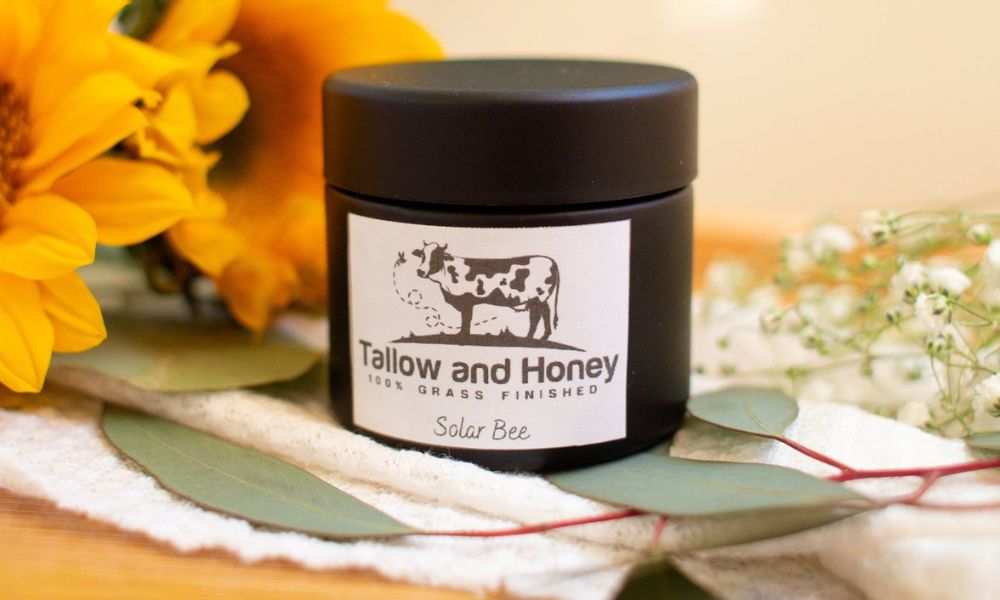
For everyday sun care, Solar Bee by Tallow & Honey is the brand’s most complete and purpose-built option. Unlike general moisturising balms, Solar Bee is specifically formulated with non-nano zinc oxide, grass-fed tallow, and beeswax, creating a natural, mineral-based barrier that helps protect the skin from UVA and UVB exposure while still deeply nourishing it.
This makes Solar Bee a strong choice for those who want a clean, low-toxin alternative to conventional sunscreen without sacrificing skin hydration. Its balm-like texture sits comfortably on the skin, supporting the barrier while helping reduce moisture loss during sun exposure, ideal for daily outdoor activities like walking, errands, or light time in the sun.
For those seeking a simple, skin-loving approach to sun protection, Solar Bee stands out as the most targeted Tallow & Honey product for natural sun care.
If you want to explore seasonal and special releases from Tallow & Honey, you can browse the full collection of limited-edition products here.
Frequently Asked Questions
Is tallow sunscreen suitable for all skin types?
Yes. Tallow sunscreen is generally suitable for most skin types, including sensitive skin. Its fatty acids and vitamins work together to hydrate and support skin health. As with any product, do a patch test first if you have known allergies or highly reactive skin.
For oily or acne-prone skin, start with a small amount in a test area to see how your skin reacts; some people find tallow balances dryness without increasing breakouts, while others may prefer lighter oil- or water-based options. Adjust use according to personal response.
How does tallow sunscreen compare in terms of SPF protection?
Tallow sunscreen typically does not carry a formal SPF rating like commercial chemical sunscreens. It provides a physical, protective barrier that can reflect UV rays; effectiveness depends on formulation and how thickly you apply it. For best protection, apply generously and reapply regularly, especially after swimming or sweating.
Because tallow products are often untested for a numeric SPF, many users combine them with certified mineral sunscreens or use them for low-exposure activities. If you need validated sun protection for prolonged outdoor activity, consider layering or choosing a product with a documented SPF measurement.
Can tallow sunscreen be used in combination with other skincare products?
Yes. Tallow sunscreen works well as the final step in your routine to lock in moisture and add a barrier. If you use active treatments like retinoids or strong acids, consult a dermatologist to confirm compatibility and avoid irritation.
In practice, apply water-based serums and lightweight treatments first, allow them to absorb, and finish with the tallow sunscreen to seal in benefits. This sequence helps retain the efficacy of actives while adding the protective, emollient layer that tallow provides.
What is the shelf life of tallow sunscreen?
Shelf life varies by formulation and storage. Homemade tallow sunscreen typically lasts about 6 to 12 months when stored in a cool, dark place. Commercial products may include preservatives to extend shelf life. Watch for changes in smell, texture, or colour as signs of spoilage.
To prolong shelf life, use clean hands or a spatula to remove product from its container, keep the lid tightly closed, and avoid storing it in hot or humid areas. A labelled container with a production date helps you keep track of freshness.
Are there any environmental concerns associated with tallow sunscreen?
Tallow sunscreen can be more environmentally friendly than some conventional sunscreens because it avoids certain chemical filters linked to marine harm. Responsible, sustainable sourcing of tallow is important; look for brands that emphasise ethical practices and eco‑friendly production.
Consider brands that disclose sourcing practices and choose producers who prioritise low-waste processing. Using tallow also reduces reliance on some synthetic ingredients; however, overall environmental impact depends on the product’s full lifecycle and packaging choices.
How can I ensure I’m using tallow sunscreen effectively?
Apply a generous, even layer to all exposed skin and reapply every two hours, or more after swimming or sweating. Use it alongside other sun‑safety measures like protective clothing and shade during peak sun hours for fuller protection.
Watch for any areas where the product may rub off quickly, such as around collars or hat brims, and reapply as needed. For activities involving prolonged water exposure, pair tallow with certified water-resistant measures or reapply frequently after toweling off.
Conclusion
Choosing tallow sunscreen gives you sun protection plus skin nourishment from natural ingredients, making it a holistic alternative to many conventional options. Its gentle, hydrating formula suits sensitive skin and supports a low‑toxin approach to skincare. Embracing tallow sunscreen lets you enjoy the outdoors while caring for your skin. Discover our range of handcrafted tallow sunscreen products near you for a healthier skincare choice.
When selecting a product, prioritise transparent ingredient lists, ethical sourcing, and packaging that aligns with your values. Whether you choose ready-made options or craft your own small-batch tallow balm, using mindful application, combining protective measures, and monitoring skin response will help you balance effective sun safety with everyday skin health.
If you want to learn more about how tallow can help support smoother-looking skin and reduce the appearance of wrinkles by deeply nourishing and hydrating the skin barrier, read the full article here.