
If oily skin has you dealing with shine, frequent breakouts, or unpredictable texture, you’re in the right place. Finding an effective skincare solution that controls oil without drying or irritating your skin can feel impossible. This guide explains how tallow skincare — a simple, animal-derived fat — can be part of a balanced, low-irritation routine. We’ll unpack what drives oily skin, how tallow works with your skin’s natural oils, and practical tips for adding tallow-based balms and creams to your daily care.
What Causes Oily Skin and How Does It Affect Your Skin Health?
Oily skin comes down to sebum: the oil your sebaceous glands make. When sebum is overproduced, you can see common issues like acne, enlarged pores, and visible shine. Understanding the drivers behind excess oil helps you choose treatments that calm the problem rather than worsen it.
What Are the Main Factors Behind Excess Sebum Production?
Several things can push sebum into overdrive: hormonal shifts, genetics, and external factors like humidity or heavy skincare. Hormone fluctuations — during puberty, your cycle, or pregnancy — are frequent triggers. Diets high in refined sugars and certain dairy products may also influence oil production for some people, contributing to a persistent imbalance.
A clearer grasp of how sebum is regulated helps shape targeted, effective strategies for managing oily skin.
Regulating Sebum Production for Oily Skin Treatment
Advances in our understanding of the factors that regulate sebum production are key to the future identification of novel therapeutic target sites in the treatment of this common disorder.
Regulation of human sebaceous glands, D Thiboutot, 2004
Why Do Harsh Oil-Free Products Often Worsen Oily Skin?
Many people reach for strong, oil-free cleansers and treatments to fight shine — but stripping the skin can backfire. When the skin’s surface is overly dried, sebaceous glands may overcompensate by producing more oil. That rebound effect can increase breakouts and sensitivity rather than solve the problem.
Why Tallow Skincare Is an Effective Natural Solution for Oily Skin
Tallow is getting renewed attention because its fatty profile closely mirrors the lipids in human skin. That similarity helps it hydrate and support the skin barrier without necessarily sitting on top of pores the way heavier, mismatched oils can.
How Does Tallow's Bio-Compatibility Mimic Your Skin's Natural Oils?
Bio-compatibility is a big reason tallow works well for many people. It contains fatty acids similar to those in human sebum, which can improve absorption and deliver nourishing fats where the skin actually needs them. That balance often translates to hydration that feels natural — not greasy.
What Makes Tallow Non-Comedogenic and Suitable for Oily Skin?
Tallow tends to score low on lists of pore-clogging ingredients, but responses vary by person. Scientific data specifically on tallow’s comedogenicity is limited, so we recommend a patch test if you’re acne-prone. When used carefully, tallow can support barrier health and deliver nutrients without the tightness or irritation that sometimes drives more oil production.
Ongoing research is refining our understanding of tallow’s lipid profile and what it means for people with acne-prone skin.
Tallow's Lipid Composition & Non-Comedogenic Properties for Oily Skin
Stearic acid can also provoke inflammation in excess, making it less suitable for oily acne-prone skin [21]. Given the lipid composition of tallow, its classification as “non-comedogenic”. Beef Tallow‐Based Skincare Claims in Social Media: A Cross‐Sectional Analysis, 2025
Which Nutrients in Tallow Support Sebum Regulation and Skin Barrier Health?
Tallow is naturally rich in well-known nutrients that help skin function: fat-soluble vitamins and structure-supporting fatty acids. These elements support the skin barrier and overall resilience rather than temporarily masking symptoms.
What Essential Vitamins and Fatty Acids Does Tallow Contain?
Tallow carries fat-soluble vitamins A, D, E, and K — all important for healthy skin — along with fatty acids such as oleic and palmitic acid. It contains small amounts of conjugated linoleic acid (CLA), though topical levels are typically low and may not deliver strong anti-inflammatory effects on their own. Together, these nutrients help maintain natural skin processes and appearance.
How Do Tallow's Anti-Inflammatory and Antimicrobial Properties Help Acne-Prone Skin?
Tallow can be mildly soothing thanks to its fatty acid mix, which may calm irritation. Evidence for any direct antimicrobial action against acne-causing bacteria is limited, so tallow should be considered a nourishing, supportive option — not a stand-alone acne treatment.
How Can You Incorporate Tallow Balm and Cream into Your Oily Skin Routine?
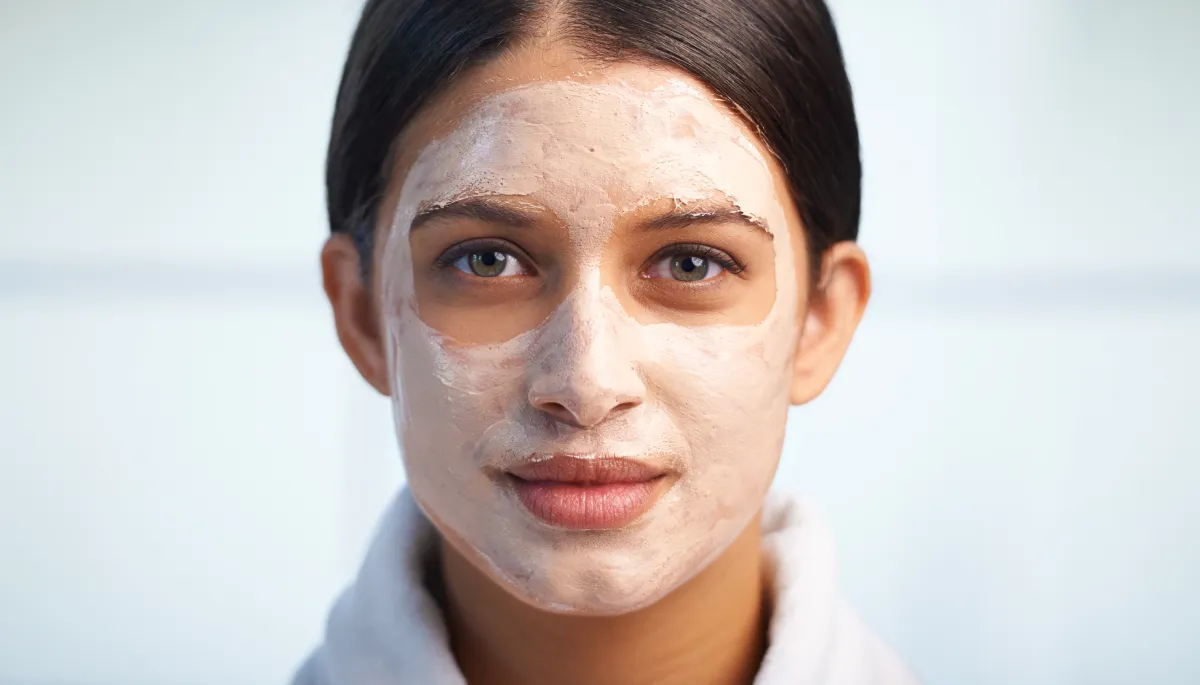
Using tallow in your routine can be straightforward. Below are practical, low-fuss steps for adding our tallow balms and creams into daily care without upsetting oily skin.
What Is the Best Way to Prepare and Cleanse Oily Skin Before Applying Tallow?
Start with a gentle cleanser that removes excess oil without overdrying. Skip abrasive scrubs and alcohol-heavy toners that strip the barrier — those can prompt more oil production. A clean, calm base helps tallow do its job.
How Should You Apply Tallow Products for Optimal Oil Control and Hydration?
Use a small amount, warm it between your palms, and press it gently into the skin. That warming step helps the tallow absorb evenly. Apply after cleansing and any lightweight serum or toner so the tallow locks in moisture and supports barrier repair throughout the day or night.
How Does Tallow Skincare Compare to Other Natural Oils for Managing Oily Skin?
Tallow sits alongside other natural options like jojoba and shea, each with different weights and behaviors on skin. Knowing those differences helps you pick what feels best for your type.
What Are the Differences Between Tallow, Jojoba Oil, and Shea Butter?
Jojoba is lightweight and closely mimics sebum, making it a common choice for oily skin. Shea butter is richer and more occlusive, which can feel heavy for acne-prone types. Tallow offers a middle ground: nourishing and structurally similar to skin lipids, though a touch heavier than jojoba. Personal testing is the best way to find your fit.
Why Is Tallow a Superior Skincare Solution Over Conventional Oil-Free Products?
Many oil-free products work by stripping and drying — a short-term fix that can trigger more oil production. Tallow takes a different approach: it nourishes, supports barrier function, and replenishes skin lipids. For many people, that means less rebound oil and a calmer complexion. It’s not the right choice for everyone, and lighter formulas may suit some skin types better.
What Do Real Users Say About Tallow and Honey Products for Oily Skin?
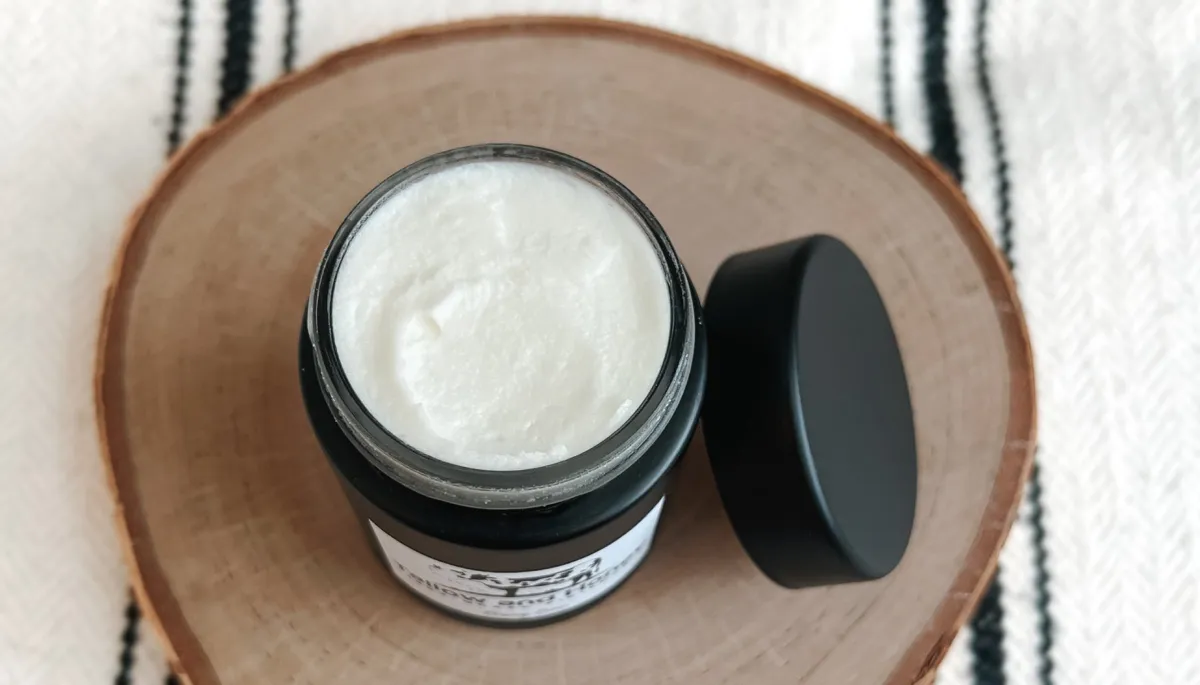
Customer stories and before-and-after photos give useful, real-world context about how tallow performs on oily and combination skin types. Many customers report measurable improvements when they use tallow consistently and mindfully.
What Before and After Results Have Customers Experienced?
Reported outcomes include reduced surface oil, fewer frequent breakouts, and smoother texture. People who value natural, minimal-ingredient care often highlight tallow’s gentle, nourishing effect as a key benefit.
How Do Community Reviews Reflect Tallow and Honey's Effectiveness?
Community feedback praises our products for thoughtful formulation and ingredient transparency. Users frequently note that tallow feels nourishing without irritating, and that steady use supports a more balanced skin feel over time.
| Key Nutrient | Role | Skin Benefit |
|---|---|---|
| Vitamin A | Promotes cell turnover | Improves skin texture |
| Vitamin E | Antioxidant | Protects against free radicals |
| CLA | Anti-inflammatory (in small amounts) | May reduce redness and swelling |
In short, tallow’s familiar lipid profile and nutrient content make it a thoughtful option for people looking to manage oily skin without aggressive drying. Its ability to complement natural skin oils, combined with generally low pore-clogging potential, means it can hydrate effectively while supporting barrier health. As always, results vary by individual — patch testing and gradual introduction are good practices.
Recommended Tallow and Honey Products for Oily Skin Treatment
For oily and acne-prone skin, lighter and minimal formulations work best. Tallow and Honey offers several options that can be used without overwhelming oil-prone skin.
- Nectar Face Serum – A lightweight, fast-absorbing option ideal for daily use. It supports the skin barrier without adding excess shine.
- Busy Bee – Best used sparingly or as a spot treatment to calm dry or irritated areas without weighing down the skin.
- Bee Bare – A minimal, essential-oil-free formula suited for sensitive skin. Use in very small amounts, preferably at night or on targeted areas.
Using small amounts and applying to slightly damp skin can help maintain balance and reduce rebound oiliness. To explore all of our products, please click here.
Frequently Asked Questions
Can Tallow Be Used on All Skin Types?
Tallow can work for a wide range of skin types — oily, dry, and combination included — because it mirrors skin lipids and supports the barrier. That said, everyone’s skin is unique. If you’re sensitive or acne-prone, do a small patch test first and watch for reactions. Adjust use based on how your skin responds.
How Often Should I Use Tallow Products for Best Results?
Most people see benefit using tallow once or twice a day. Start with a pea-sized amount after cleansing and toning. If you notice increased oiliness or irritation, cut back frequency or amount. Regular, gentle use usually delivers the most consistent results.
Are There Any Side Effects of Using Tallow on Oily Skin?
While tallow is generally well tolerated, some individuals — especially those with very acne-prone or reactive skin — may experience breakouts or irritation. That’s typically due to individual sensitivity or product interaction. Always patch test and stop use if you see adverse reactions. When in doubt, consult a dermatologist for personalized guidance.
How Does Tallow Compare to Synthetic Moisturizers?
Tallow is a natural alternative to synthetic moisturizers, which can contain preservatives and synthetic emulsifiers that irritate some skin. Because tallow resembles human sebum, it can absorb and nourish differently than many synthetics. Still, synthetic formulations can offer targeted actives for specific conditions, so the best choice depends on your goals.
Can Tallow Help with Other Skin Conditions Besides Oily Skin?
Yes — many people use tallow to help with dry patches, eczema flare-ups, and other barrier-related concerns. Its nourishing fats and vitamins support skin repair. If you have chronic conditions, consult a healthcare professional to ensure tallow fits your treatment plan.
Is Tallow Environmentally Sustainable?
Sustainability depends on how the tallow is sourced. Tallow from grass-fed, pasture-raised animals generally has a smaller environmental footprint than tallow from intensive farming. We recommend choosing brands that are transparent about sourcing and that prioritize ethical practices when environmental impact matters to you.
Conclusion
Tallow skincare offers a natural, gentle, and effective approach for managing oily and acne-prone skin. Unlike harsh, oil-free products that can strip the skin and trigger rebound oiliness, tallow works in harmony with your skin’s natural lipids to support barrier health, hydration, and overall balance. Rich in essential fatty acids and fat-soluble vitamins, tallow nourishes the skin while remaining lightweight enough for oily complexions when used appropriately.
Consistent, careful use—starting with small amounts, applying to slightly damp skin, and monitoring your skin’s response—can lead to a calmer complexion, smoother texture, and healthier, more balanced skin over time.
Beyond oily skin management, tallow skincare may also support radiant, youthful-looking skin due to its nutrient-rich composition and barrier-repairing properties. For readers interested in exploring these additional benefits, see our article on Tallow Skincare: Radiant Skin and Anti-Aging Benefits for a deeper dive.