

When it comes to choosing the right moisturizer for stretch marks, sensitive and eczema-prone skin needs more than a popular label.
Grass-finished tallow balms made without seed oils or synthetics tend to suit sensitive, eczema-prone, and postpartum skin best. Tallow's fatty acid profile closely mirrors human sebum, so it absorbs into skin instead of clogging pores. Our small-batch formulas, backed by more than 170 five-star reviews, deliver deep hydration for stretch marks while steering clear of the synthetic fillers that so often trigger flare-ups.
Key Takeaways
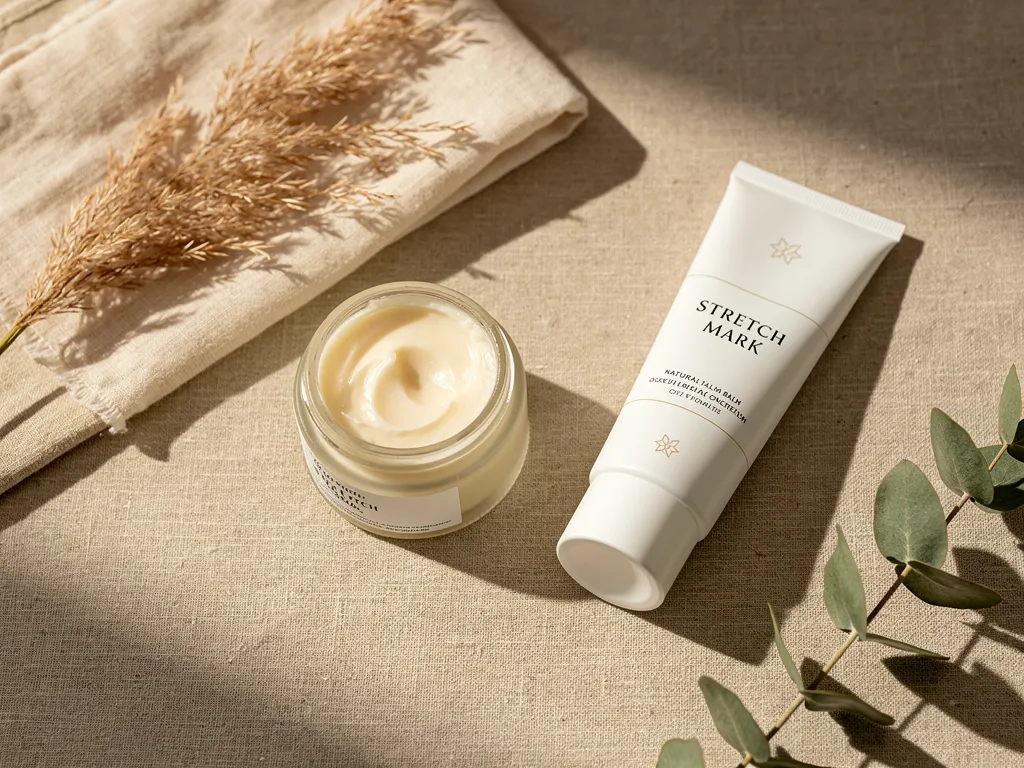
- Bio-Oil ranks as a cult classic for scars and stretch marks according to dermatologist Dr. Graf's recommendation.
- Retinoid-based stretch mark creams are unsuitable for pregnant or breastfeeding individuals due to safety concerns.
- Coconut oil and shea moisture lotion applied twice daily or more show limited effectiveness for active stretch marks.
- Users report applying moisturizers at least two times daily to prevent and treat stretch mark development.
Why does sensitive skin need a different cream?
Reactive, easily irritated skin absorbs ingredients differently than typical skin, so formulas made for the average user often leave it red or flaring instead of relieved. Water-based lotions lean on synthetic emulsifiers to blend oil and liquid together, and those emulsifiers tend to sit on top of skin rather than work with it. That's why so many standard products feel greasy yet never quite calm the irritation underneath.
Tallow behaves differently because its fatty acid profile closely mirrors the skin's own sebum. That likeness lets a moisturizer for stretch marks made from tallow soak in deeply instead of lingering on the surface as a film. For anyone managing eczema or chronic dryness, that difference matters far more than any marketing claim about hydration.
Are retinoid-based stretch mark creams safe during pregnancy?
Many popular stretch mark treatments contain retinoids, a category of vitamin A derivatives known for speeding up cell turnover. These formulas carry explicit warnings against use during pregnancy or breastfeeding, which rules them out for a large share of the very people looking to prevent stretch marks in the first place. A fragrance-free stretch mark cream without retinoids sidesteps that risk entirely.
Why do stretch marks still show up despite regular moisturizing?
Applying a product often doesn't guarantee results. One mom applied coconut oil and a sensitive-skin lotion at least twice a day, and new marks still showed up anyway. Consistency alone can't make up for a formula that never nourishes the skin barrier at a deeper level.
Choosing a stretch mark cream sensitive skin users can rely on means looking past labels like "gentle" and asking what's actually inside:
- Does it skip synthetic emulsifiers and fragrance?
- Does it work with skin's natural oils rather than diluting them?
- Is it free of retinoids and other irritation-prone actives?
Skin that reacts easily needs a formula built on those answers, not assumptions.
What ingredients trigger reactions in eczema-prone skin?

Seed oils, synthetic fragrance compounds, and harsh emulsifiers top the list of culprits behind flare-ups on reactive skin. Skin already compromised by eczema reacts faster to these additives than skin with an intact barrier does. Formulas made without seed oils or synthetics are far less likely to set off a reaction, which matters most to anyone searching for a fragrance-free stretch mark cream that won't sting on application.
What common triggers should sensitive skin avoid?
Certain additives show up again and again in products marketed for stretching skin — the same ones dermatology circles flag for irritation. A short list worth checking on any label:
- Synthetic fragrance and dye
- Seed oils (sunflower, soybean, canola)
- Alcohol-based preservatives
- Artificial emulsifiers and thickeners
A true stretch mark cream sensitive skin can tolerate skips all four categories, leaning instead on ingredients skin already recognizes.
Why does cocoa butter alone sometimes fall short?
Many expectant mothers reach for plain cocoa butter simply because they aren't sure what else is safe, and that instinct makes sense. But cocoa butter alone tends to sit on the surface rather than feed the barrier underneath, leaving itchy, stretching skin without the support it needs.
Tallow works differently. Rather than coating skin the way many conventional moisturizers do, it feeds the skin barrier directly, thanks to a fat structure the body already recognizes. Its saturated fats help rebuild the lipid layer that eczema, dryness, and over-exfoliation routinely strip away.
Choosing a hypoallergenic stretch mark moisturizer built on this principle protects the barrier instead of just masking symptoms for a while. For anyone treating a stretch mark cream for eczema prone skin, that difference between feeding skin and coating it is often what decides whether skin calms down or flares up again.
Does shea butter really help stretch marks?
Shea butter softens skin and eases itching, but it doesn't reliably prevent or fade stretch marks on its own. Pregnant clients often reach for rich emollients like shea butter once the lower belly and back start itching from stretching skin. That relief feels immediate, yet it soothes comfort, not the deeper structural changes actually causing the marks.
One customer applied a shea-based lotion mixed with coconut oil at least twice daily for weeks, and stretch marks still appeared despite that frequent, generous use. It's a telling pattern: surface softness doesn't equal deep repair.
Why doesn't shea butter stop stretch marks from forming?
Shea butter sits mostly on the skin's surface, offering short-term softness without rebuilding the barrier lipids skin needs for elasticity. Stretch marks actually form in the dermis, a deeper layer where shea's larger molecules struggle to reach. An effective moisturizer for stretch marks has to work below the surface, not just coat it.
What works better than shea butter alone?
Tallow contains essential fatty acids, fat-soluble vitamins, and occlusive lipids that build a deeply moisturizing barrier. That barrier supports skin elasticity and guards against moisture loss more thoroughly than shea alone. For reactive skin, a stretch mark cream sensitive skin formula built on tallow offers deeper support without the added irritants.
Ingredient choices matter just as much as the base fat:
- Fragrance-free stretch mark cream formulas lower flare-up risk for reactive skin types.
- Hypoallergenic stretch mark moisturizer blends skip common irritants found in scented lotions.
- Hyaluronic acid stretch marks treatments and shea butter work best paired with occlusive fats, not alone.
One real customer fought back stretch marks through a tallow-based product's layered moisturizing effect, getting repair that surface hydration alone couldn't deliver. Anyone searching for the best lotion for stretch marks pregnancy or a stretch mark cream for eczema prone skin should look past shea butter's reputation toward ingredients that mirror skin's own biology, like shea butter stretch marks blends fortified with tallow.
Is hyaluronic acid necessary for stretch mark hydration?
Hydration matters more than which ingredient delivers it. Dermatologist-reviewed testing on top-rated products found that hydrating formulas, not any single humectant, drove results for pregnant users and reviewers alike. That shifts the real question away from hyaluronic acid stretch marksclaims toward how well a formula actually moisturizes and stays put on skin prone to dryness or flare-ups.
Tallow offers a different route to the same outcome. Its fatty acid profile closely matches skin's own oils, letting it absorb the way a moisturizer for stretch marks should: deeply, not superficially. That's the same fast-absorbing, "rubs right in" quality people praise in oil-based treatments prized for smoothness and softness, minus any residue sitting on top.
Does hyaluronic acid work better than natural fats for dry skin?
Not necessarily. Hyaluronic acid pulls moisture to the skin's surface, while tallow's vitamin content (A, D, E, and K) works underneath, supporting repair as it hydrates. For a stretch mark cream sensitive skin reacts well to, that repair-plus-hydration combination often matters more than which specific humectant sits in the ingredient list.
What should sensitive or eczema-prone skin look for instead?
Skip formulas built around fragrance and synthetic thickeners. A fragrance-free stretch mark cream with a hypoallergenic stretch mark moisturizer profile cuts flare-up risk considerably compared to heavily perfumed lotions.
Consider these priorities when comparing options:
- Fat-soluble vitamin content for barrier repair
- A shea butter stretch marks blend or tallow base for deep absorption
- No synthetic fragrance or dye
- A texture that rubs in fully, without greasy residue
For anyone seeking the best lotion for stretch marks pregnancy care or a reliable stretch mark cream for eczema prone skin, hydration quality outranks any single trending ingredient.
What makes a moisturizer safe for eczema-prone skin?
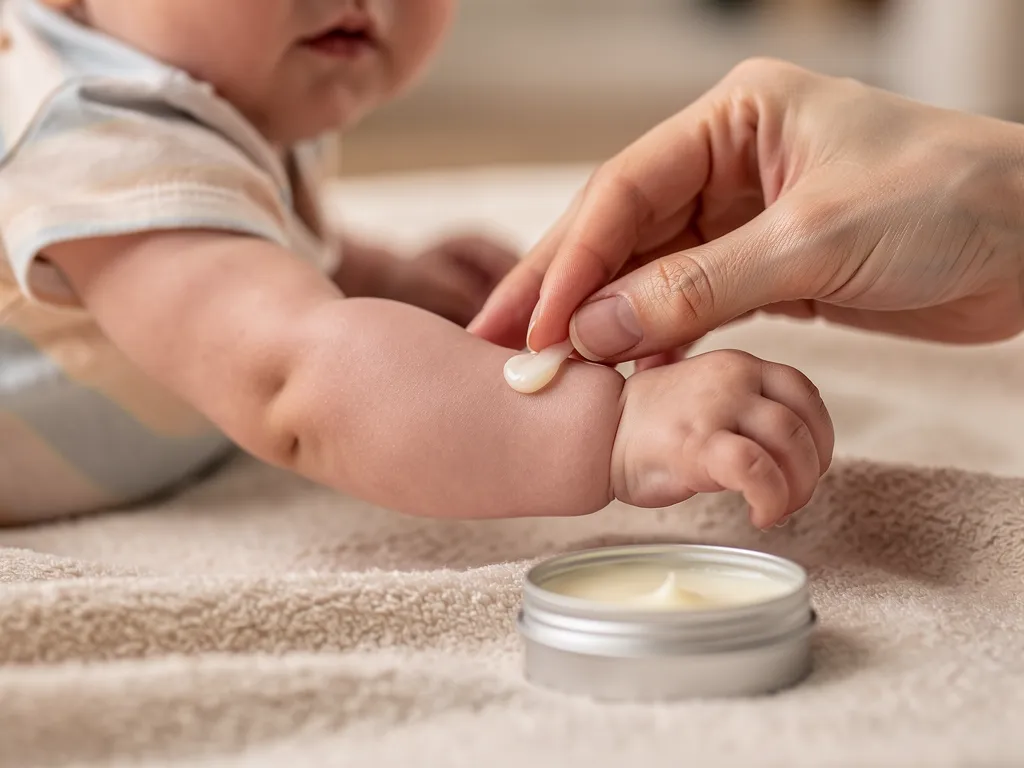
Safety for reactive skin comes down to ingredient count, sourcing, and how a formula behaves on the skin barrier. A true stretch mark cream for eczema prone skin rebuilds the lipid layer rather than masking dryness with fragrance or filler oils. Fewer ingredients, cleaner sourcing, and a formula that mimics skin's own fats are what separate a safe moisturizer for stretch marks from one that triggers a flare.
Eczema and over-exfoliation both damage the same protective barrier, stripping away the fats that keep moisture locked in. Tallow's saturated fat content restores that barrier directly, rather than sitting on top of compromised skin the way many water-based lotions do. That barrier-first approach makes tallow a strong candidate for a hypoallergenic stretch mark moisturizer, especially for skin that reacts to standard drugstore formulas.
Can tallow-based products calm a rash or flare-up?
Real-world use suggests yes. A basic, everyday tallow balm cleared a rash on a child's face within days — a strong signal that a formula gentle enough for young, reactive skin can still deliver real results. That mix of mildness and effectiveness matters most to anyone searching for a stretch mark cream sensitive skin can actually tolerate.
Why does ingredient sourcing matter for sensitive skin?
Fewer synthetic additives mean fewer potential triggers. Formulas made without seed oils or synthetic fillers cut the irritant load in every jar, which matters when comparing options like a fragrance-free stretch mark cream against one loaded with unnecessary additives.
| Feature | Why it matters for eczema-prone skin |
|---|---|
| Grass-finished tallow sourced from reputable farms | Cleaner sourcing, fewer contaminants |
| No seed oils or synthetics | Reduces irritant exposure |
| Barrier-rebuilding fats | Supports damaged lipid layer |
Ingredients like shea butter for stretch marks and hyaluronic acid for stretch marks work well alongside tallow. Sourcing and simplicity still determine whether a jar soothes skin or sets off another flare.
Is tallow better than typical pregnancy stretch mark oils?
Grass-finished tallow behaves differently on skin than most oils marketed for pregnancy. Its fatty acid profile mimics human sebum closely enough that skin recognizes it as its own, so it repairs the barrier on contact rather than sitting as a surface film. That recognition matters for anyone searching for a true moisturizer for stretch marks rather than a temporary slip-and-shine product.
Popular belly oils earn praise for a different reason. One widely recommended natural oil rose to the top of pregnancy skincare roundups mainly because it applies easily and lists simple, recognizable ingredients. Butters do well too — a well-known belly butter built its reputation on rich texture and soothing performance during pregnancy. Neither claim, though, answers whether those ingredients actively rebuild the skin barrier or just cushion it for a while.
Does tallow absorb differently than plant-based oils?
Yes — unlike heavy creams that can sit on top of skin and clog pores, tallow's structure lets it integrate into skin rather than coat it. That makes it a strong candidate as a fragrance-free stretch mark cream base for people prone to breakouts or congestion from thicker, occlusive formulas.
Is tallow gentler for sensitive or eczema-prone skin?
Because tallow delivers fat-soluble nutrients skin already produces, it tends to work well as a stretch mark cream sensitive skin users can rely on, without triggering the irritation common to fragranced oils or synthetic emulsifiers. It also functions as a hypoallergenic stretch mark moisturizer and a stretch mark cream for eczema prone skin, avoiding the seed oils and fillers found in many mainstream belly oils.
| Product Type | Known For | Barrier Repair Focus |
|---|---|---|
| Natural belly oil | Easy application, simple ingredients | Surface hydration |
| Belly butter | Rich texture, soothing feel | Temporary comfort |
| Tallow-based balm | Sebum-mimicking fatty acids | Deep, biology-matched repair |
For pregnant and postpartum skin that reacts to nearly everything, tallow offers a formulation built around compatibility, not just comfort.
How do you pick a hypoallergenic stretch mark moisturizer?
Ingredient labels tell the real story for reactive skin. A short, recognizable list matters more than trendy actives when choosing a hypoallergenic stretch mark moisturizer, and small-batch production keeps that list tight, steering clear of the mass-produced fillers that trigger flare-ups on already-sensitive skin.
Where the formula comes from matters just as much as what's in it. A base of grass-finished tallow sourced from reputable farms, free of seed oils and synthetic additives, narrows the shopping list considerably for anyone hunting a genuine stretch mark cream sensitive skin can tolerate. That one sourcing decision rules out a large share of drugstore options built on synthetic emulsifiers.
What ingredients should a sensitive-skin buyer avoid?
Fragrance and seed oils top the list of common irritants in stretch mark products. Look for a fragrance-free stretch mark cream that skips synthetic perfume entirely — added scent is one of the most frequent triggers for eczema-prone and reactive skin. A stretch mark cream for eczema prone skin should also list simple, whole-food-derived fats rather than a long chain of chemical stabilizers.
Does customer feedback actually predict how skin will react?
A track record offers a useful shortcut when patch-testing feels risky. More than 170 five-star reviews and over 2,000 fulfilled orders point to consistent, repeatable results across a wide range of sensitive-skin customers — not just a handful of lucky stories.
Consider this quick checklist before buying a moisturizer for stretch marks:
- Confirm it's fragrance-free and free of seed oils
- Check for a short, recognizable ingredient list
- Look for shea butter stretch marks or hyaluronic acid stretch marks as supporting actives, not fillers
- Review verified customer photos, not stock imagery
Community-submitted before-and-after photos matter here too. These images arrive unedited and unfiltered, showing real change over time rather than a staged marketing shot — worth weighing before calling any option the best lotion for stretch marks pregnancy truly deserves.
What's the best way to apply stretch mark moisturizer?
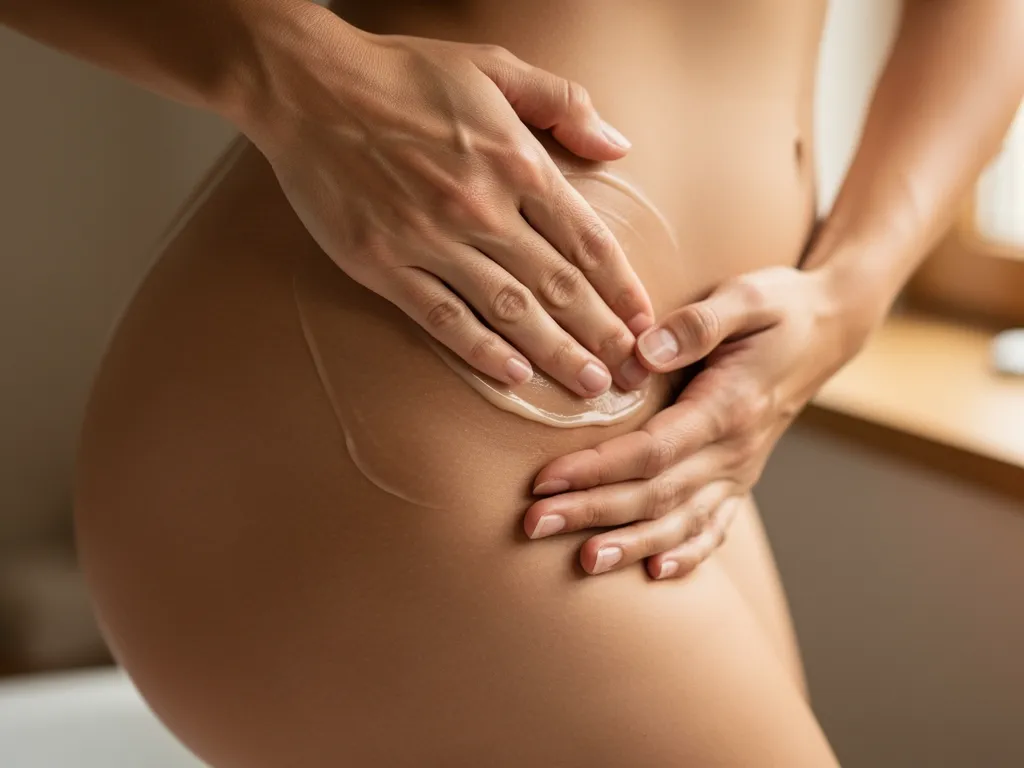
Massage matters as much as the formula itself. Pregnancy lotions built for daily rubbing, like the classic massage-style formulas moms reach for during the third trimester, work partly because the motion pushes hydration deeper into skin rather than letting product sit on top. A moisturizer for stretch marks does more good when massaged in slow, circular strokes over the belly, hips, and thighs, giving fatty acids time to sink in before the next layer goes on.
Consistency beats one heavy coat. One customer saw real change not from a single application, but from layering a nutrient-dense tallow balm morning and night until her skin's texture shifted. Repair happens gradually, through repeated feeding of the skin barrier, not a one-time slather.
How often should stretch mark cream be applied?
Twice daily is the sweet spot for most sensitive skin types. Because tallow's fatty acid profile sits so close to skin's own oils, it absorbs efficiently instead of leaving a greasy residue behind, which makes frequent reapplication realistic for eczema-prone or reactive skin. cite-1
Does stretch mark cream work better with certain ingredients?
A stretch mark cream sensitive skin can tolerate should skip fragrance and synthetic emulsifiers. Look for these qualities:
- Fragrance-free stretch mark cream formulas to avoid triggering flare-ups
- Hypoallergenic stretch mark moisturizer bases that skip common allergens
- Shea butter stretch marks blends for added softening
- Hyaluronic acid stretch marks support for surface-level hydration
Patience is the real skill here. Visible results in customer photos showed up only after weeks of steady, patient use — never overnight.A stretch mark cream for eczema prone skin and a reliable best lotion for stretch marks pregnancy routine both come down to the same principle: apply generously, massage well, and repeat daily until the skin barrier catches up.
FAQ
What makes tallow suitable for sensitive skin?
Tallow's fatty acid profile mirrors human sebum, so it absorbs deeply into skin instead of sitting on top the way a synthetic film does.That makes it effective for eczema-prone and postpartum skin without triggering flare-ups.
Are retinoid creams a good option for pregnant users?
No. Retinoid-based stretch mark creams carry explicit warnings against use during pregnancy or breastfeeding. A fragrance-free, retinoid-free cream sidesteps that safety concern entirely for that audience.
Why do coconut oil and shea lotion often fail to prevent stretch marks?
Frequent application doesn't guarantee results, since these formulas don't nourish the skin barrier at a deeper level. One user applied both twice daily yet still ended up with new marks.
Looking for a gentle, effective moisturizer for stretch marks? Explore our handcrafted tallow balms made with simple, nourishing ingredients designed to support sensitive, pregnancy, and postpartum skin naturally.